2025年12月6日「モバイル英語学習」第897号(英語のエッセイ): WWI soldiers’ bottle messages found after a century

Notes:
voyage 航海;
reinforce 補強する;
heaving 揺れる;
colloquialism 口語表現;
pristine 元のままの;
disintegrated 崩壊した;

**************************
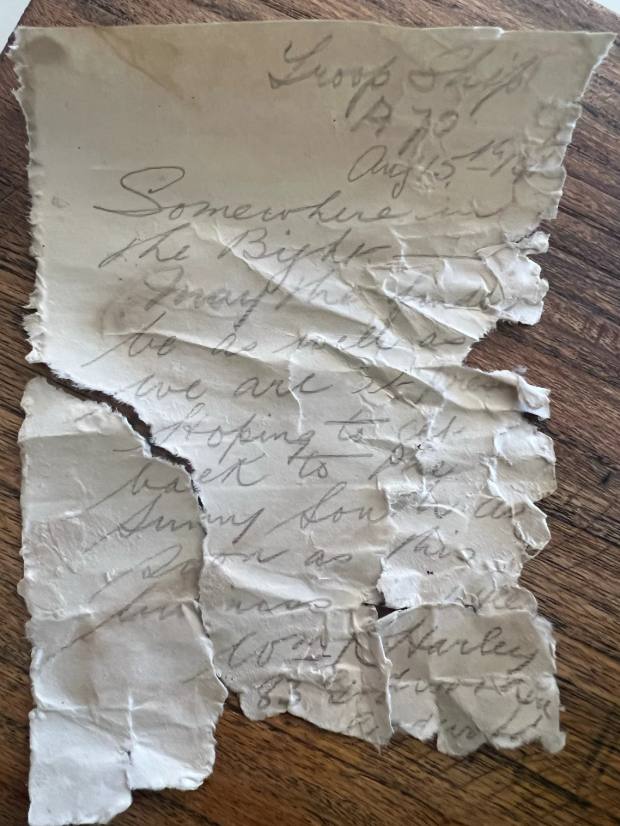
On an Australian beach, a family found a glass bottle buried in the sand. Inside were two letters written by Australian soldiers, Malcolm Neville and William Harley, during World War I in 1916. They wrote the notes while sailing to France. The letters were cheerful — they said the food was good and that they were “as happy as Larry.” Sadly, Neville died in battle a year later, while Harley survived but later died from illness caused by gas during the war. The bottle stayed buried for over 100 years until erosion revealed it. The soldiers’ families were amazed and touched by the discovery, feeling as if their ancestors were reaching out from the past. This find reminded everyone of the human side of history — love, courage, and memory.

オーストラリアの海岸で、ある家族が砂の中に埋もれた小さなガラス瓶を見つけました。
その中には、1916年、第一次世界大戦のさなかにオーストラリア兵マルコム・ネヴィルとウィリアム・ハーレーが書いた二通の手紙が静かに眠っていました。
二人はフランスへ向かう船の上から、食事が美味しいことや「とても幸せだ」と綴り、希望に満ちた言葉を残していました。
けれども、ネヴィルはその翌年に戦場で命を落とし、ハーレーも戦後、ガスの後遺症で亡くなりました。
瓶は100年以上もの間、砂の中で時を止めていたのです。
最近の浸食で姿を現したその瓶を見た兵士たちの家族は、「まるで祖先が時を越えて語りかけてくれているようだ」と深く胸を打たれました。
この発見は、人々に戦争の悲しみ、そして愛と記憶の尊さを静かに伝えています。
**************************
(Image from https://apnews.com/)
2025年9月27日「モバイル英語学習」第897号(英語のエッセイ): The shortest war in history

Notes:
conflict /ˈkɒn.flɪkt/ 紛争、争い;
ultimatum /ˌʌl.tɪˈmeɪ.təm/ 最後通告(相手に従わなければ行動を起こすと警告する最後の要求);
artillery /ɑːˈtɪl.ə.ri/ 大砲;
consulate /ˈkɒn.sjə.lət/ 領事館(外国にある自国民を守るための政府の事務所);
throne 王座;
colonial /kəˈləʊ.ni.əl/ 植民地の;
*******************************************
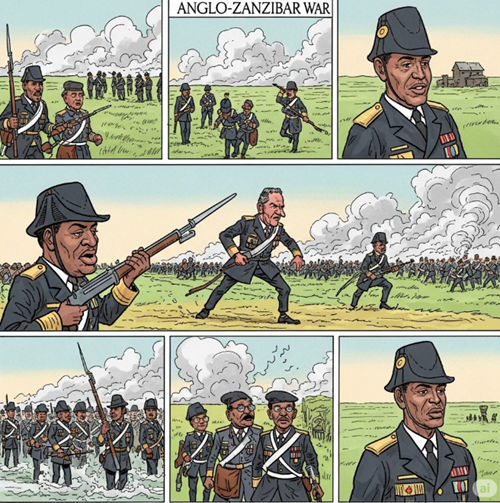
The shortest war in history happened on August 27, 1896, between Britain and Zanzibar. It lasted only about 38 minutes. The conflict started when the Sultan of Zanzibar, Hamad bin Thuwaini, died. Britain wanted the new ruler to be someone friendly to them. But another man, Khalid bin Barghash, took the throne without British approval. The British gave him an ultimatum to step down. He refused, and instead gathered his soldiers and artillery near the palace. At 9:02 a.m., British warships began to fire at the palace. By 9:40 a.m., the palace was in ruins, and Khalid fled to the German consulate. More than 500 Zanzibaris were killed or wounded, while only one British sailor was injured. Afterward, Britain placed their chosen sultan on the throne. This tiny war shows how powerful Britain was during the colonial period.
*******************************************